选择地区语言

High-throughput sequencing is performed on all nucleic acids in the specimen, enabling the one-time, unbiased detection of pathogens such as bacteria, fungi, viruses, and parasites present in the sample. Infectious diseases account for more than 50% of all diseases, and rapid and accurate diagnosis has long been a clinical challenge. Unlike traditional microbial methods, mNGS offers the advantages of high sensitivity, short detection cycle, and broad pathogen coverage.
By combining targeted capture/multiplex PCR amplification with NGS technology, it enables the detection of dozens to hundreds of known pathogenic microorganisms, along with their virulence and drug resistance genes. For the detection of low-abundance pathogenic microorganisms—especially the detection of their virulence and drug resistance genes—tNGS offers advantages such as a clear pathogenic spectrum and lower sequencing costs compared to mNGS.

Through fast, non-invasive and convenient genetic testing methods, it identifies a small number of high-risk groups for cancer from large asymptomatic populations—especially for cancers with high incidence/mortality rates and long progression periods. For tumor early screening based on genetic testing, its core advantages include early detection, coverage of multiple cancer types, high user compliance, and relatively high specificity compared to traditional methods.

Through molecular typing technology that detects multiple variants across multiple genes, it identifies the treatment products that patients are most likely to benefit from, potential severe side effects caused by treatment, and monitor therapeutic responses. Companion diagnosis is a process conducted alongside treatment, whose role is to guide medication use. In summary, it shifts the cancer treatment concept from traditional morphological typing (by tumor location) to molecular typing (by pathogenesis).

Through deep sequencing technology, minimal residual disease (MRD) is detected, enabling effective assessment of tumor recurrence status. MRD is the main cause of recurrence after tumor treatment. Tumor cells continuously release ctDNA into the bloodstream during processes like metastasis and apoptosis, but the overall proportion is extremely low (typically less than 0.1% in early-stage patients)—this requires the high sensitivity of molecular detection.

It screens for pathogenic genes associated with hereditary tumors to predict cancer risk, helping individuals proactively prevent high-risk tumors through early screening, early detection, and early treatment. Approximately 5% to 10% of cancers are linked to hereditary gene mutations—including breast cancer, colorectal cancer, endometrial cancer, and gastric cancer, many of which show obvious familial clustering. Genetic risk testing provides a reference for cancer patients and their family members to manage familial cancer risks.

Using NGS technology, it detects fetal cell-free DNA in maternal peripheral blood plasma to analyze common high-incidence fetal chromosomal syndromes: Trisomy 21, Trisomy 18, and Trisomy 13. Routine prenatal screening has a high false-positive rate and increases the miscarriage risk associated with amniocentesis. NIPT reduces the rate of high-risk invasive prenatal screenings (such as amniocentesis) by 40% to 76%.
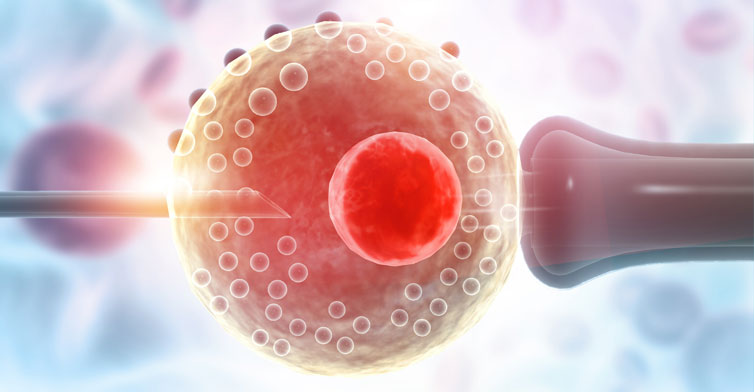
This approach targets couples at high risk of monogenic diseases or with a history of adverse pregnancy outcomes (such as recurrent miscarriage, repeated fetal abnormalities) and clear genetic etiologies. By leveraging NGS technology, it detects the genetic material of early embryos, then selects normal embryos for uterine transfer, aiming to help couples have healthy babies. As younger generations face delayed childbearing and work pressure, demand for assisted reproduction is growing—this method helps address infertility and improve pregnancy outcomes.
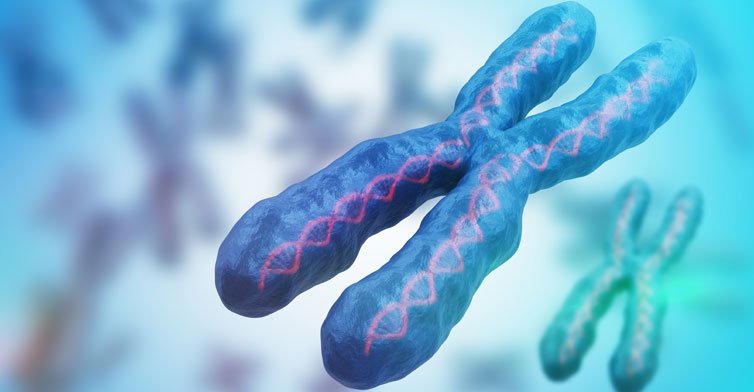
This is a mature technical method that uses low-depth whole-genome sequencing to detect chromosomal abnormalities in samples such as patients' peripheral blood, pregnancy miscarriage products/fetal tissue, and chorionic villi. It can identify potential genetic causes for unexplained genetic syndromes and pregnancy losses, assess disease conditions, and assist in clinical diagnosis and treatment.

Genetic testing screens both partners for disease-causing genetic variants. Identifying carriers before or early in pregnancy helps predict the risk of passing on genetic disorders and supports healthy family planning. Most monogenic diseases, including over 1,000 recessive types, are undetectable by routine checkups. Carrier screening reduces birth defects, controls genetic diseases, and lowers reproductive costs.

Leveraging a high-throughput sequencing platform, this technology enables rapid, accurate, and comprehensive microbial classification and identification in original samples on the client side, with automated result output—providing references for the diagnosis of infectious diseases. Approximately 99% of microorganisms in nature cannot be cultured and purified under laboratory conditions. For microbiome research in environmental or scientific samples, a non-culture-dependent identification technology that covers multiple microbial types is needed. This technology can perform species-level identification and quantitative analysis of microbial communities.

Animal and plant genomics is a research field in structural and functional genomics that focuses on the genomes of animals and plants (including crops and livestock) as well as their specific life activities related to growth and development. It further clarifies the genetic regulatory networks and mechanisms underlying the life activities of animals and plants. The application of genomics in animals and plants has driven and will continue to drive sustainable productivity, providing solutions to the increasingly severe challenge of feeding the global population. Using modern technologies, farmers, breeders, and researchers can easily identify genetic markers associated with desirable traits, offering information support for cultivation, breeding, and seed selection.
Single-Cell Sequencing is a technology that performs sequencing analysis at the level of single cells—covering genomes, transcriptomes, and epigenomes. With the development and advancement of sequencing technology, it can resolve finer differences between cells. It is now driving progress in fields like disease and tumor research, developmental biology, microbiology research, immunology, and neuroscience—and is gradually becoming a focus of life science research.